

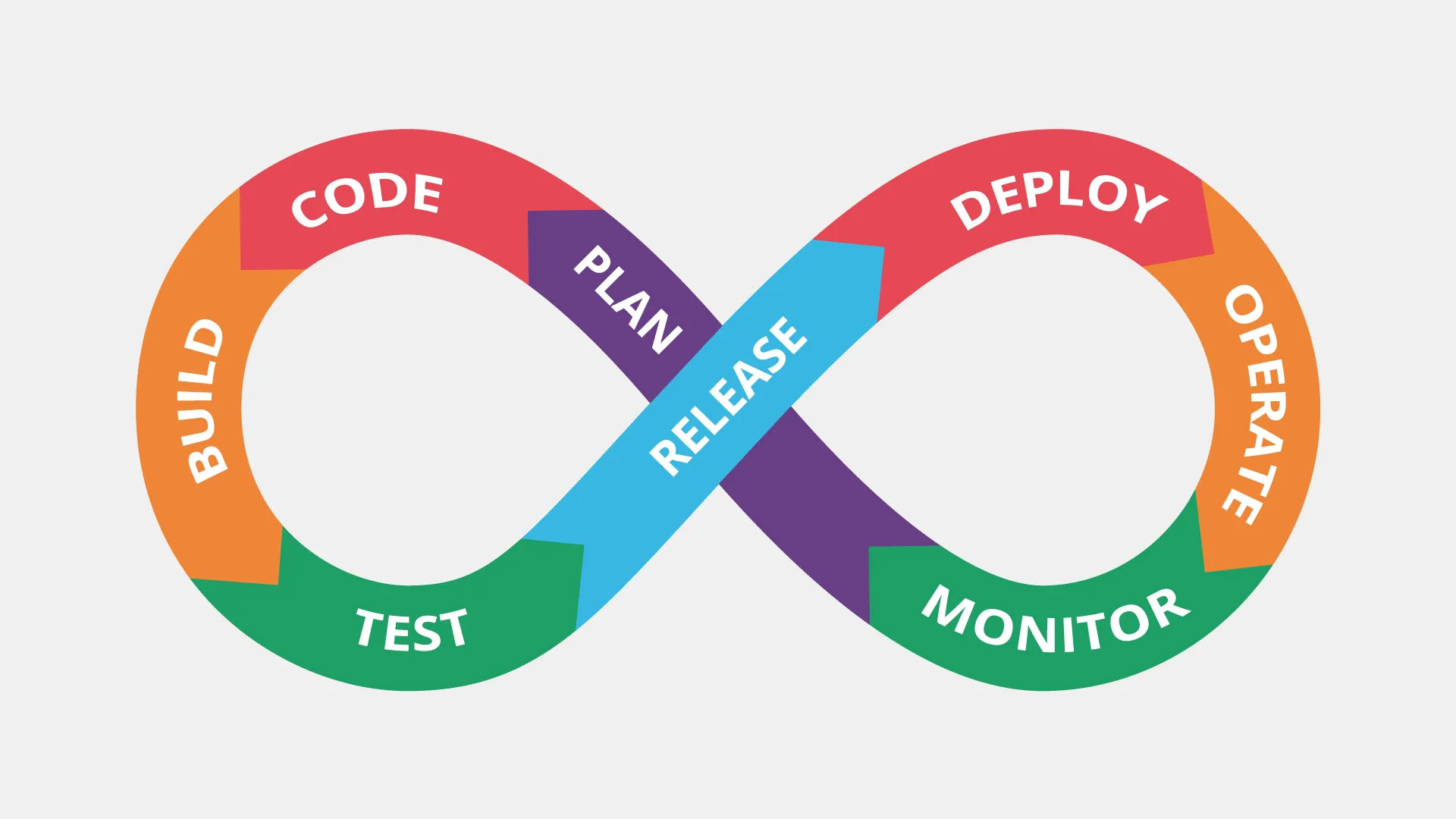
Deployment is not the end of development
What actually happens after a website goes live, and why monitoring, backups, security, and maintenance matter.
Getting an application running on a server feels like the finish line. In reality, production is where another part of development begins. Real users, real traffic, real failures, and real security concerns now become part of the system.
A production checklist
- Environment variables are configured safely.
- HTTPS is enabled.
- Production builds are reproducible.
- Logs can be inspected.
- Backups exist and have been tested.
- Dependencies can be updated.
- The application can recover from failure.
- Domain and DNS configuration are documented.
Why process managers matter
Node applications need a reliable way to stay running, restart after failure, and operate as production processes. Tools such as PM2 can help manage that process, while containers can provide another layer of consistency depending on the deployment setup.
npm run build

pm2 start ecosystem.config.js
pm2 save
Logs are part of the product
When something fails in production, the first question is usually not how to fix it but what actually happened. Useful logs turn debugging from guesswork into investigation.
Security does not stop at deployment
- Keep dependencies updated.
- Do not expose secrets in source code.
- Use appropriate file permissions.
- Protect administrative interfaces.
- Monitor unexpected traffic and errors.
- Remove unused services and ports.
The maintenance loop
- Monitor the application.
- Identify failures or bottlenecks.
- Investigate the cause.
- Apply a controlled change.
- Verify production behavior.
- Document anything important for the next incident.
FAQ
Is VPS hosting enough for a production application?
A VPS can be sufficient for many applications, depending on traffic, reliability requirements, architecture, backups, monitoring, and operational skills.
Do I need Docker for every project?
No. Docker can improve environment consistency and deployment workflows, but it also introduces another layer to understand and maintain.
How often should a production application be maintained?
Maintenance should be continuous rather than treated as a single yearly task. Security updates, dependency reviews, backups, monitoring, and infrastructure checks should follow the needs of the application.